Project deployed | Agritech & ai
Ministry of Agriculture and Animal Resources Knowledge Hub Goes Live, Powering TUNGA AI
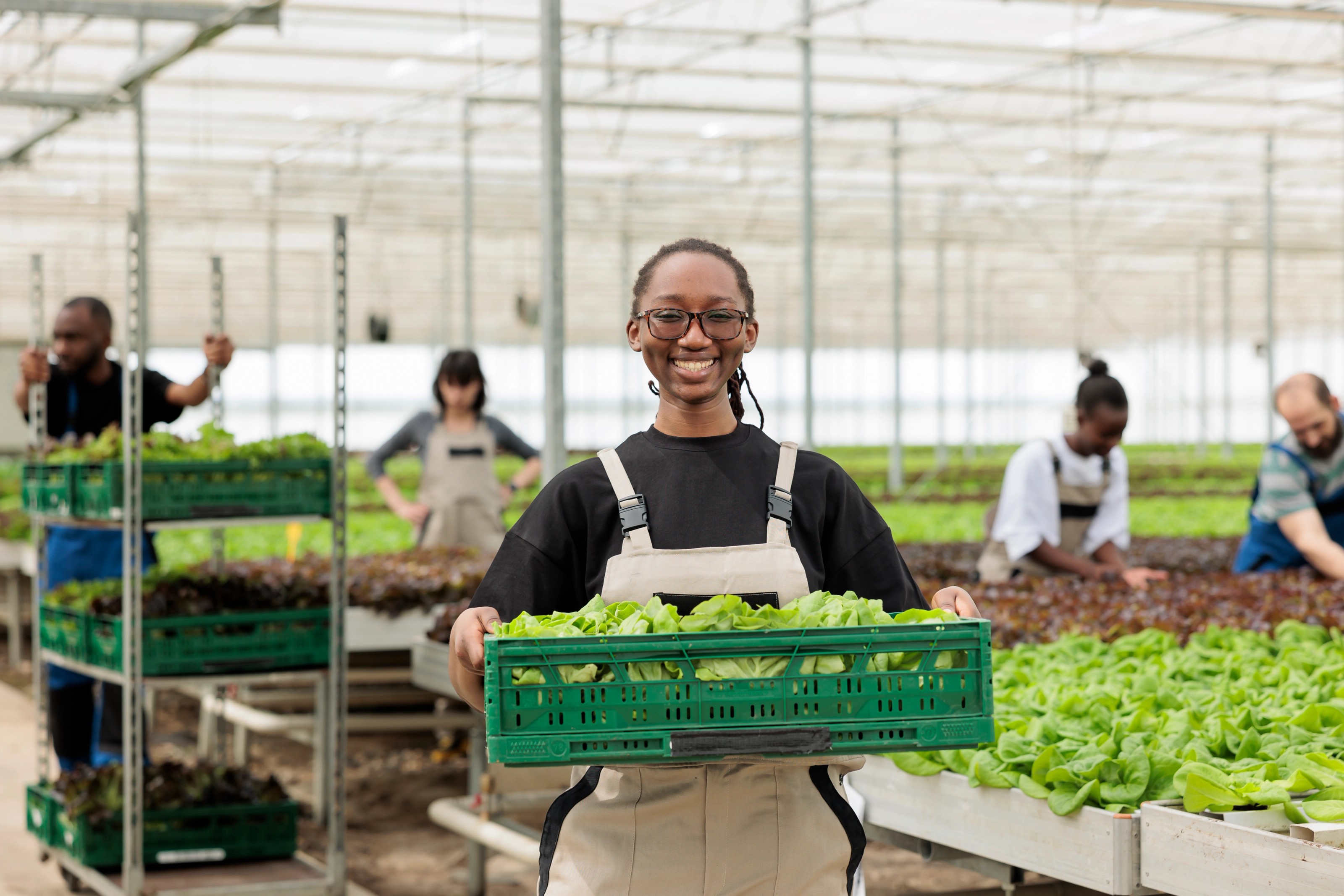
The knowledge hub now organises agriculture and animal resources data from MINAGRI and its institutions, and serves as the content system behind TUNGA AI, the Kinyarwanda voicebot for farmers.
- Institutions
- MINAGRI, RAB, NAEB, C4IR
- Powers
- TUNGA AI voicebot and chatbot
- Language
- Kinyarwanda
What happened
The knowledge hub for the Ministry of Agriculture and Animal Resources is live. It organises the agriculture and animal resources data produced across the ministry and its institutions, and it is the content management system behind TUNGA AI, a Kinyarwanda conversational voicebot and chatbot.
 Go furtherKnowledge hub projectLearn more
How it works
The hub integrates data that previously sat in separate places across the Rwanda Agriculture Board, the National Agricultural Export Development Board, and MINAGRI's own departments.
On top of that sits a content management system built for conversational AI rather than for a website, holding the voice and text datasets TUNGA AI draws on.
Kinyarwanda natural language processing connects the two, so a farmer asks a question in the language they actually speak and the answer comes from the ministry's own material rather than from the open internet.
The problem it solves in the community
Rwanda's agricultural expertise has never been the bottleneck. Reaching the farmer with it has been. Extension officers are outnumbered by the households they serve, advice arrives late or second-hand, and a question about a crop disease this week is often answered next month.
Text-first digital services do not close that gap for everyone. They assume comfortable literacy and a smartphone. A voicebot in Kinyarwanda assumes neither, which is what makes it reach the households that need it most.
The benefit
For a farmer, an answer about a crop, a disease, or a market price in their own language, at the moment the question actually matters.
For the ministry, one place where its institutions' knowledge lives, instead of several that quietly disagree.
For national planning, a single repository behind food security decisions rather than a reconciliation exercise every time a number is needed.